












Too many CVs coming in

They all look the same on paper.

Who should I shortlist for an interview?

Whether candidates come from applications, LinkedIn, or referrals, byteSpark.ai helps recruiters shortlist with confidence.

Most hiring software is built by people who’ve never hired. Would you drive a car designed by people who don’t drive?

Trusted by teams across the GCC

  • Trovicor
  • Americana
  • Norconsult Telematics
  • MITTCO
  • Marina Home
  • DNA Digital
  • KPMG
  • Huawei
  • Gulf Recruitment Group
  • Geekay Group
  • Etisalat and e&
  • eMinds by Etisalat
  • DIFC
  • DELL

From CV overload to clear shortlists

Candidates explain their experience in different ways. Similar roles can sound completely different. Without deep domain expertise, it is easy to miss what matters.

This section is about making those differences visible before interviews start.

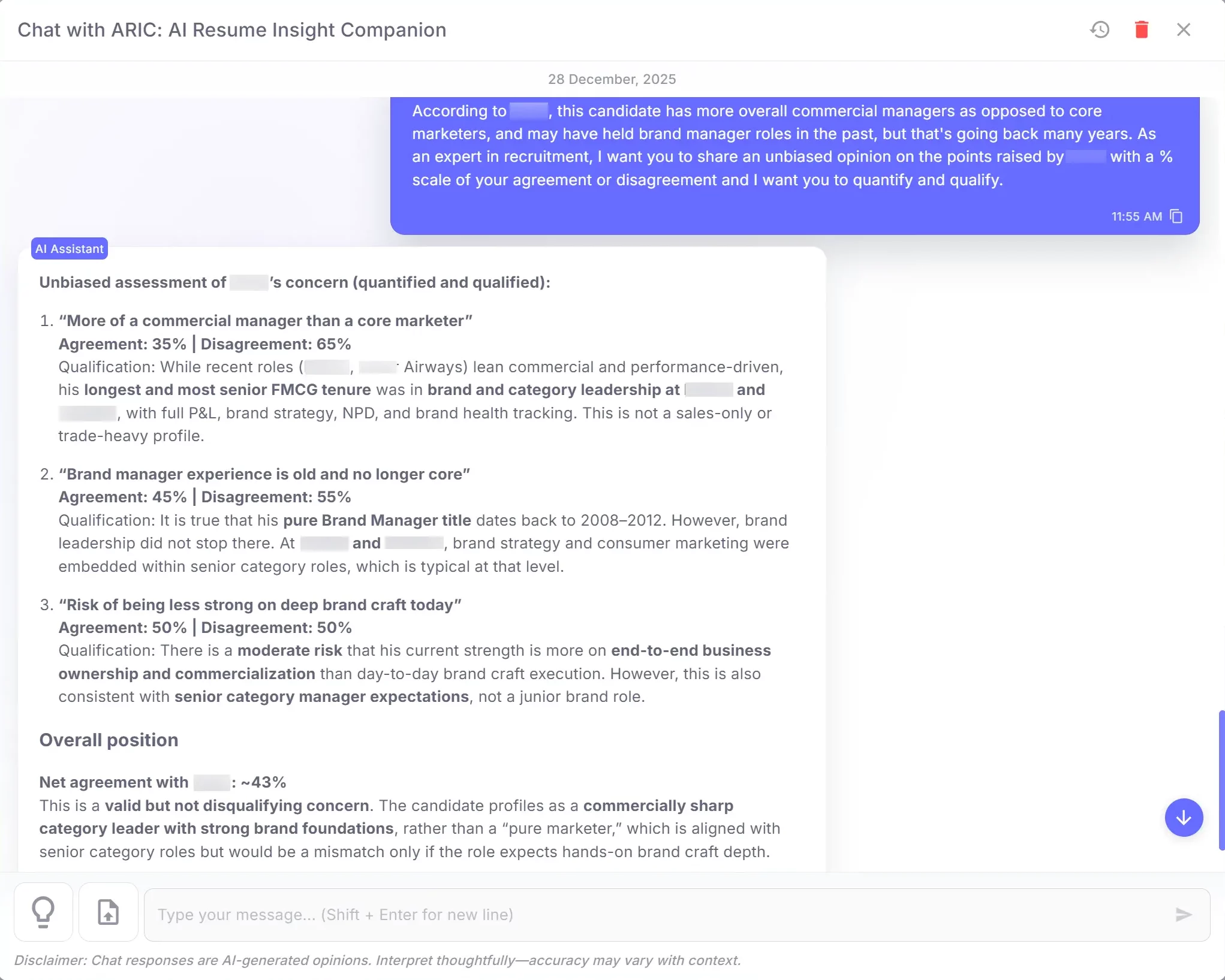
CVs are read as explanations, not lists

Job titles do not tell the full story. What matters is what work was done and what outcomes were owned.

  • Experience is inferred from how work is explained
  • Responsibilities are understood based on what is written
  • Similar titles can mean very different things
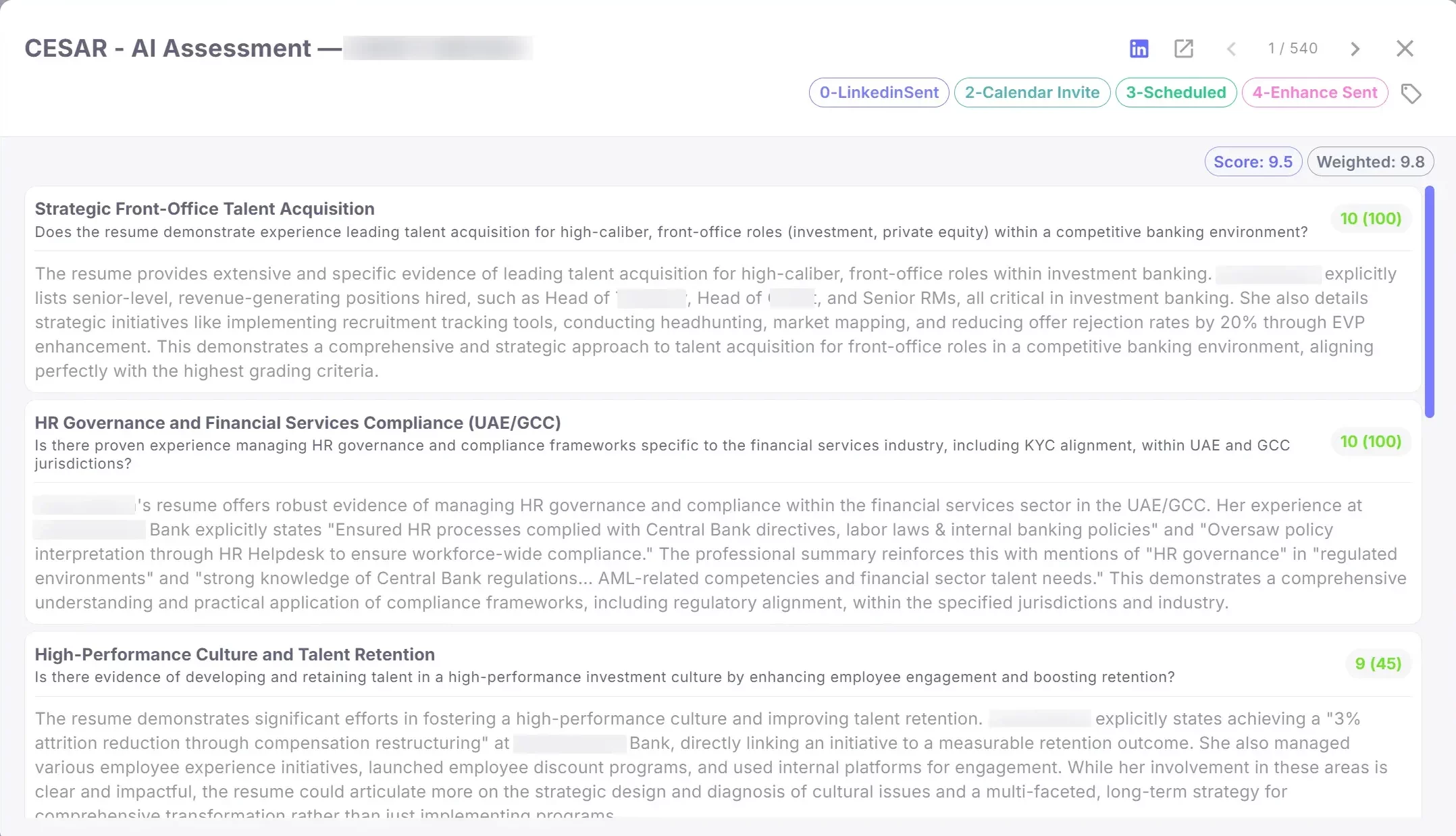
Understanding candidate experience
Click to open and scroll the full image.
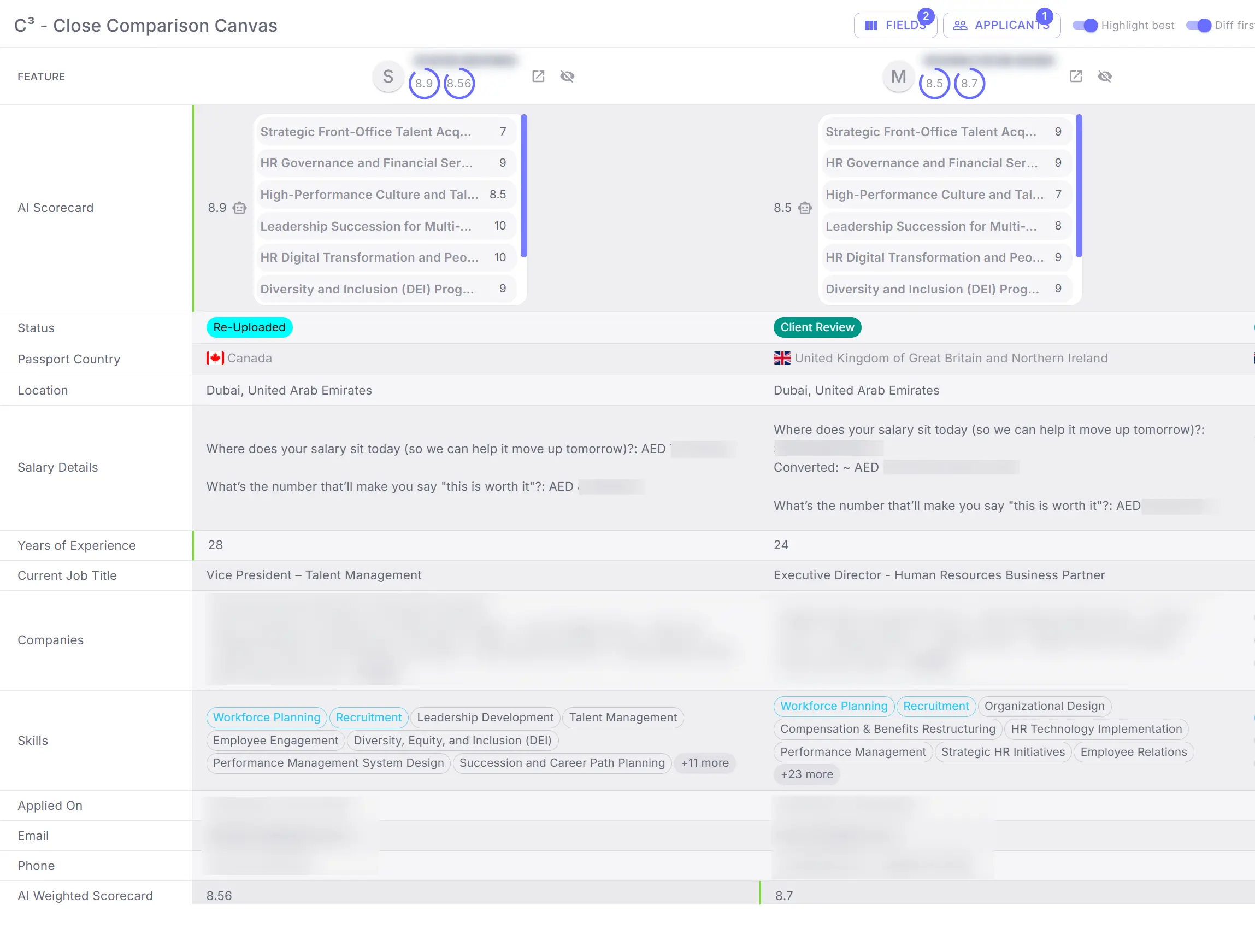
Comparing candidates
Click to open and scroll the full image.

Differences show up when candidates are seen together

Reading CVs one by one hides trade-offs. Seeing candidates together reduces guesswork and speeds up decisions.

  • Strengths and gaps stand out
  • False similarities are reduced
  • Shortlisting feels grounded and faster

Shortlists you can stand behind

Shortlisting doesn’t stop at picking names. Recruiters still need to explain decisions, align with hiring managers, and answer tough questions without conversations drifting into opinions.

This is where clarity matters most.

Exploring candidates and evidence in one place
Click to open and scroll the full image.

A single place to explore candidates deeply

Instead of switching between CVs, notes, emails, and browser tabs, recruiters can explore a candidate in one place. This makes it easier to understand the full picture without re-reading documents or relying on memory.

Clear explanations of what the candidate wrote and did

Recruiters don’t just see a summary. They can see exactly what the candidate wrote, what stood out, and why it matters — using the candidate’s own words as evidence.

Clarity on past employers and experience

When a CV mentions companies or roles that aren’t familiar, recruiters don’t have to guess. Background information is brought together so experience can be understood more accurately, without assumptions.

Don’t rely on algorithms alone

Most hiring systems stop at posting jobs. They help you publish a role … and then wait.

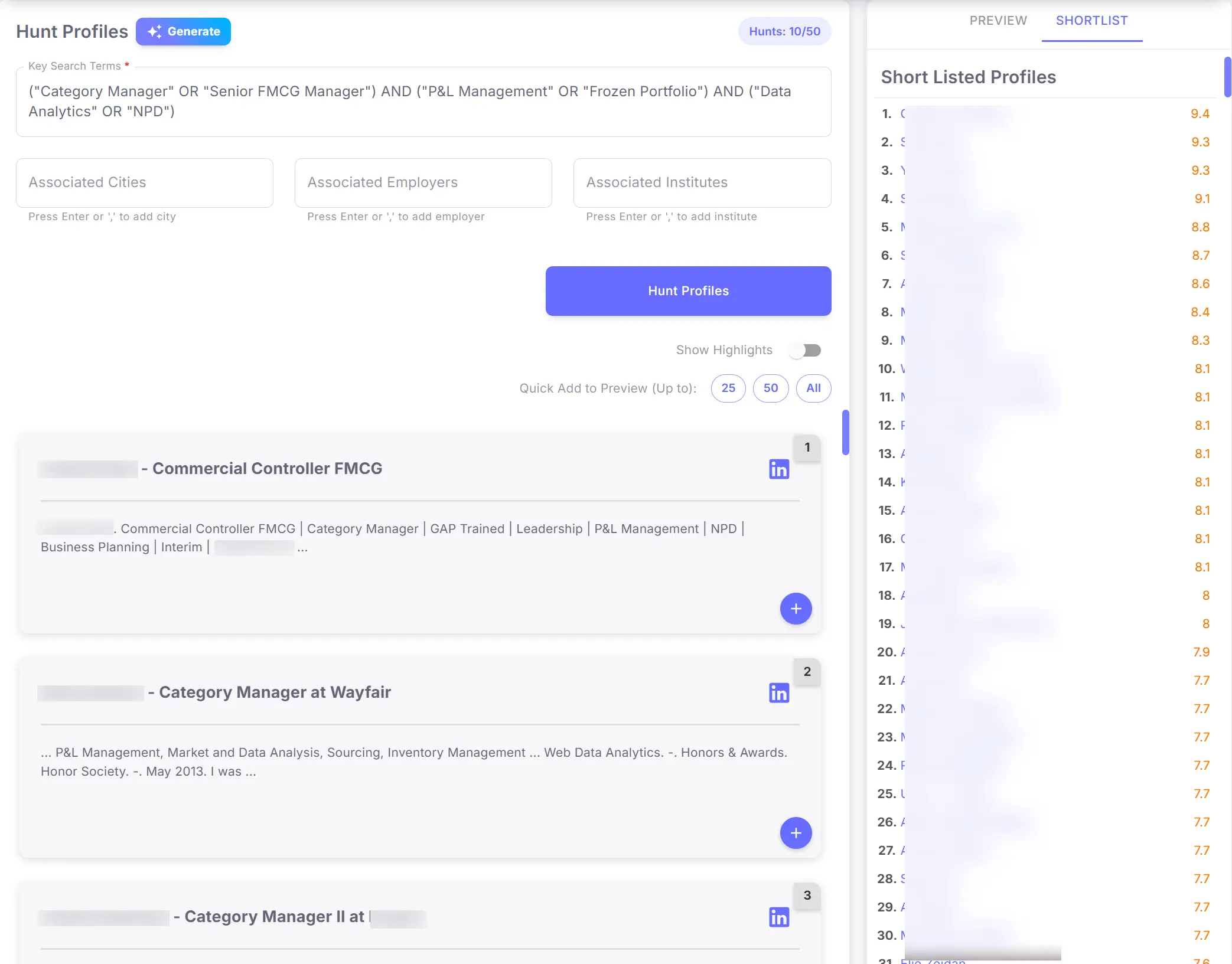
Advertising a role means trusting that the right people will see it. In reality, visibility is controlled by marketing algorithms — not by recruiters. You don’t know who saw the role, who didn’t, or whether the right person ever had a chance to engage.

Proactive recruitment doesn’t replace job ads. It reduces blind reliance on them. Recruiters gain the ability to actively explore professional networks instead of depending entirely on where algorithms decide to show an advert.

Before reaching out, recruiters can quickly understand whether someone is even worth a conversation. This helps avoid wasted outreach and keeps time focused on people who show real signals early.

Once someone looks promising, recruiters have simple, professional ways to engage — through direct messages, email, or WhatsApp — without starting from scratch each time.

Proactively exploring potential candidates instead of relying only on job ads
Click to open and scroll the full image.

Hiring clarity starts before the first CV

Job descriptions today are often long, detailed, and well written. They look complete on paper.

But when a recruiter sits down with a hiring manager, the real question is simple. What actually matters for success in this role.

byteSpark.ai helps recruitment teams lock in the essentials early, so evaluation stays grounded and consistent.

First

Turn a long job description into clear hiring priorities

Agreeing what actually matters before candidates are evaluated.

Hiring managers often discover what they really want only after seeing candidates. This helps recruiters align expectations before screening begins.

  • Focus the role on what matters most
  • Make expectations easier to align
  • Reduce late surprises
Second

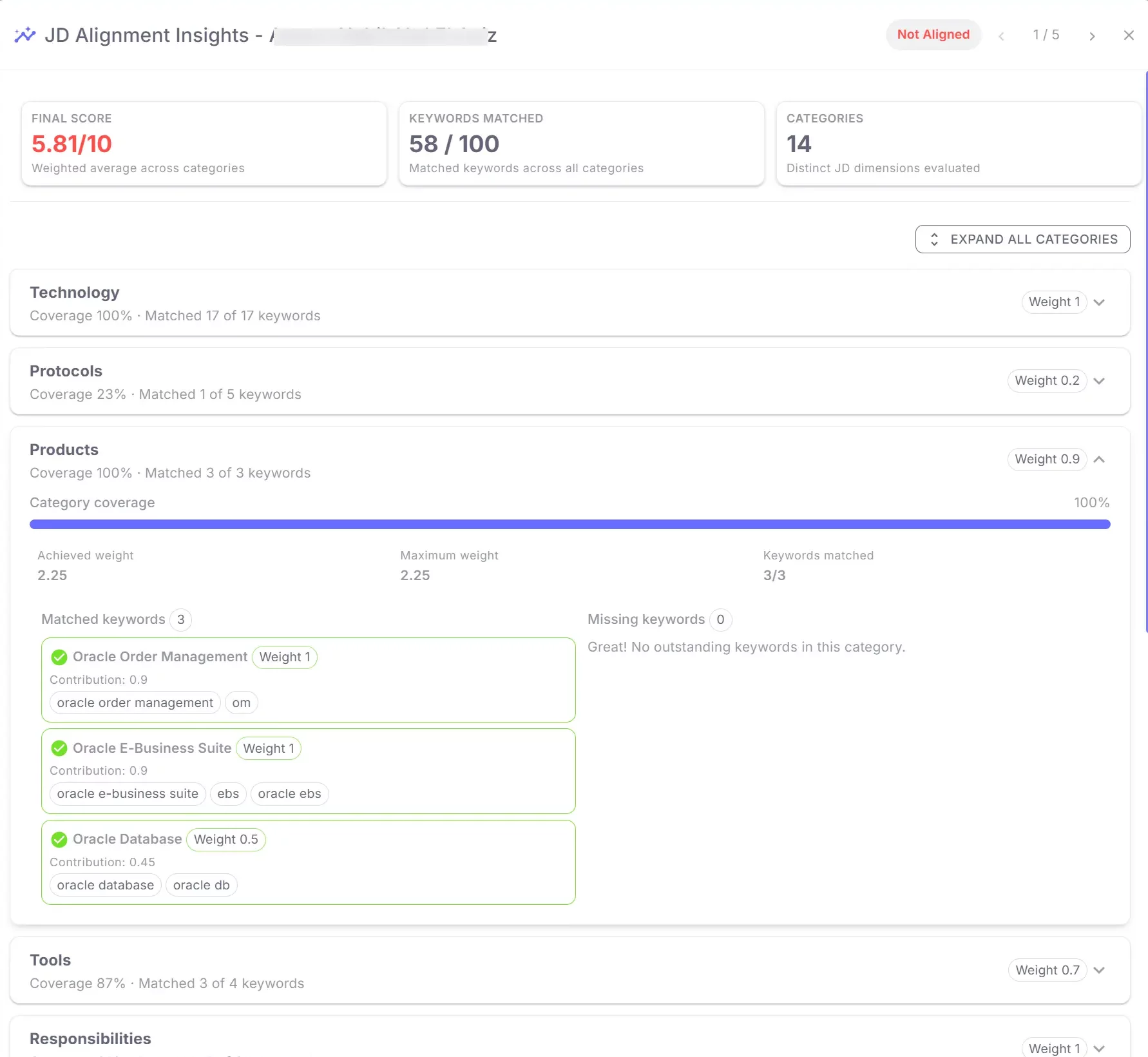
Separate keyword matches from real experience

Distinguishing mentions from depth of experience.

A candidate can mention the right terms and still lack depth. This helps recruiters avoid superficial shortlists.

  • Spot shallow matches early
  • Support fast-scanning managers
  • Keep evaluation grounded
Third

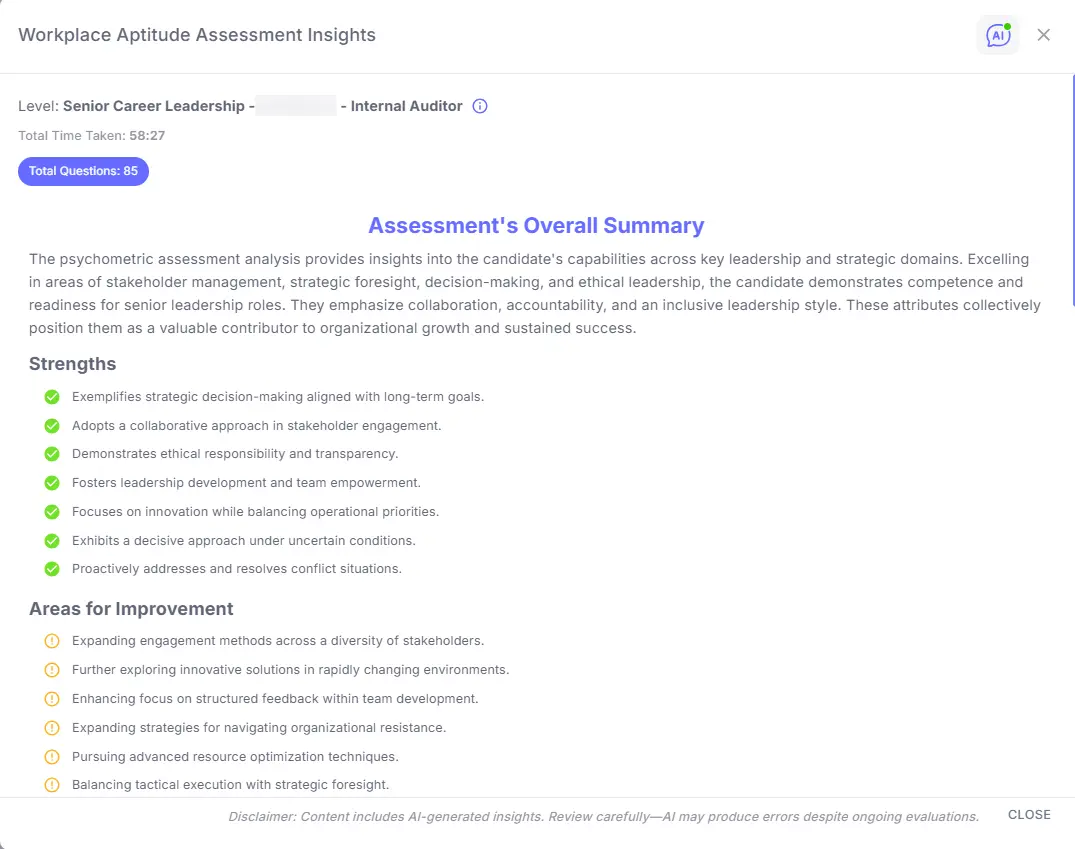
Understand the person behind the CV

How people think, decide, and operate once hired.

Skills explain what someone has done. What matters is whether they fit the role and environment — which is where role fit becomes visible.

  • See decision and pressure patterns
  • Surface alignment risks
  • Make confident final calls
A daily recruiting challenge

Hiring priorities change. Restarting the shortlist should not.

Hiring managers often refine what matters after seeing candidates. Sometimes it is a technical detail. Sometimes it is something completely different.

What slows teams down is having to start from scratch every time those priorities shift. Re-reading CVs. Rebuilding shortlists. Repeating the same work.

The real advantage is being able to re-evaluate an existing candidate pool, adjust what matters, and immediately see who now stands out.

Clarity at a glance

When hiring moves fast, recruiters do not need more reports. They need clear signals that show what to adjust, where to focus, and how to move forward without slowing down.

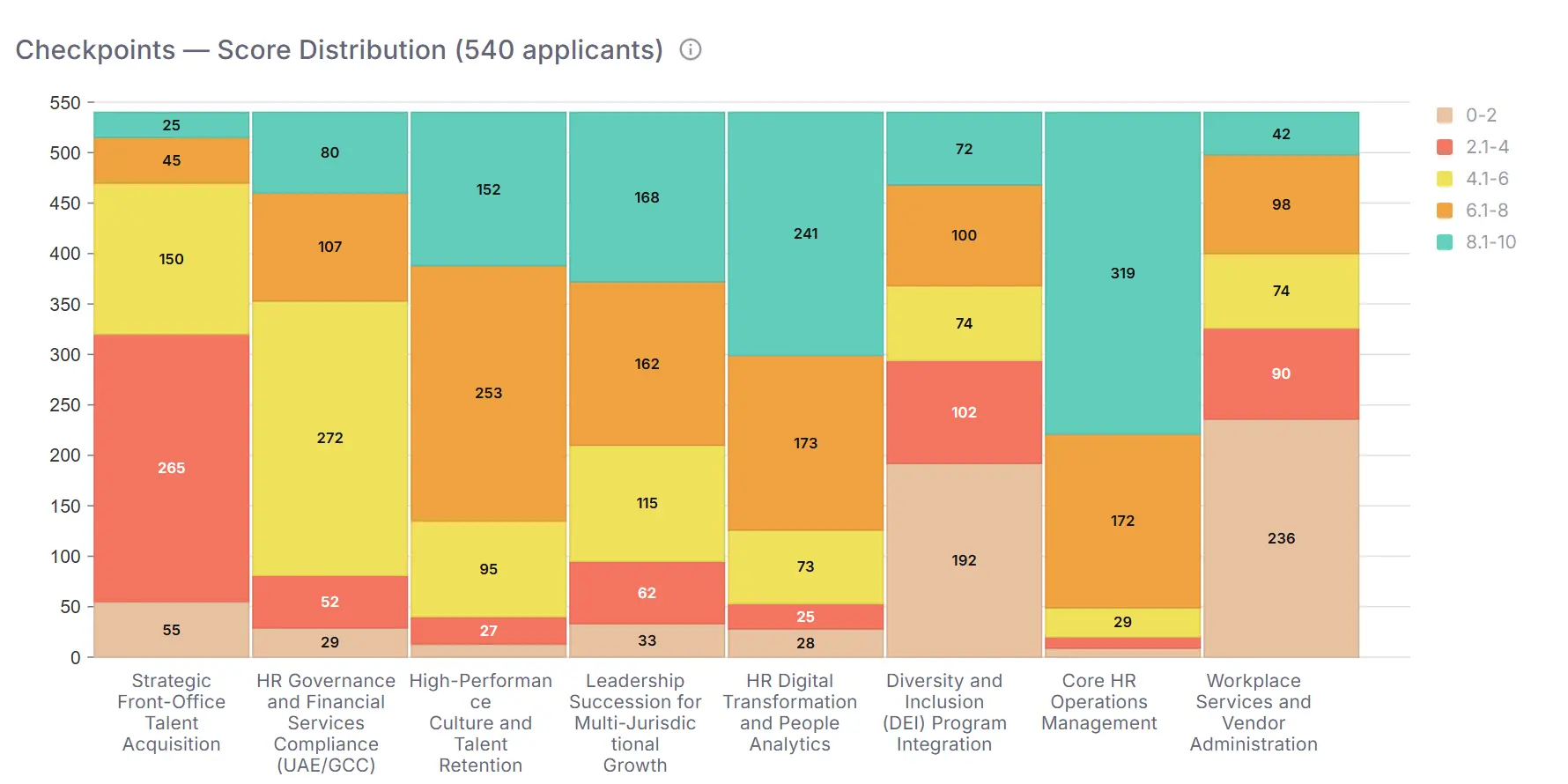
Where candidates struggle most

See where candidates struggle most

You can quickly see which requirements are hardest for candidates to meet, making it easier to discuss priorities and adjust expectations with the hiring manager.

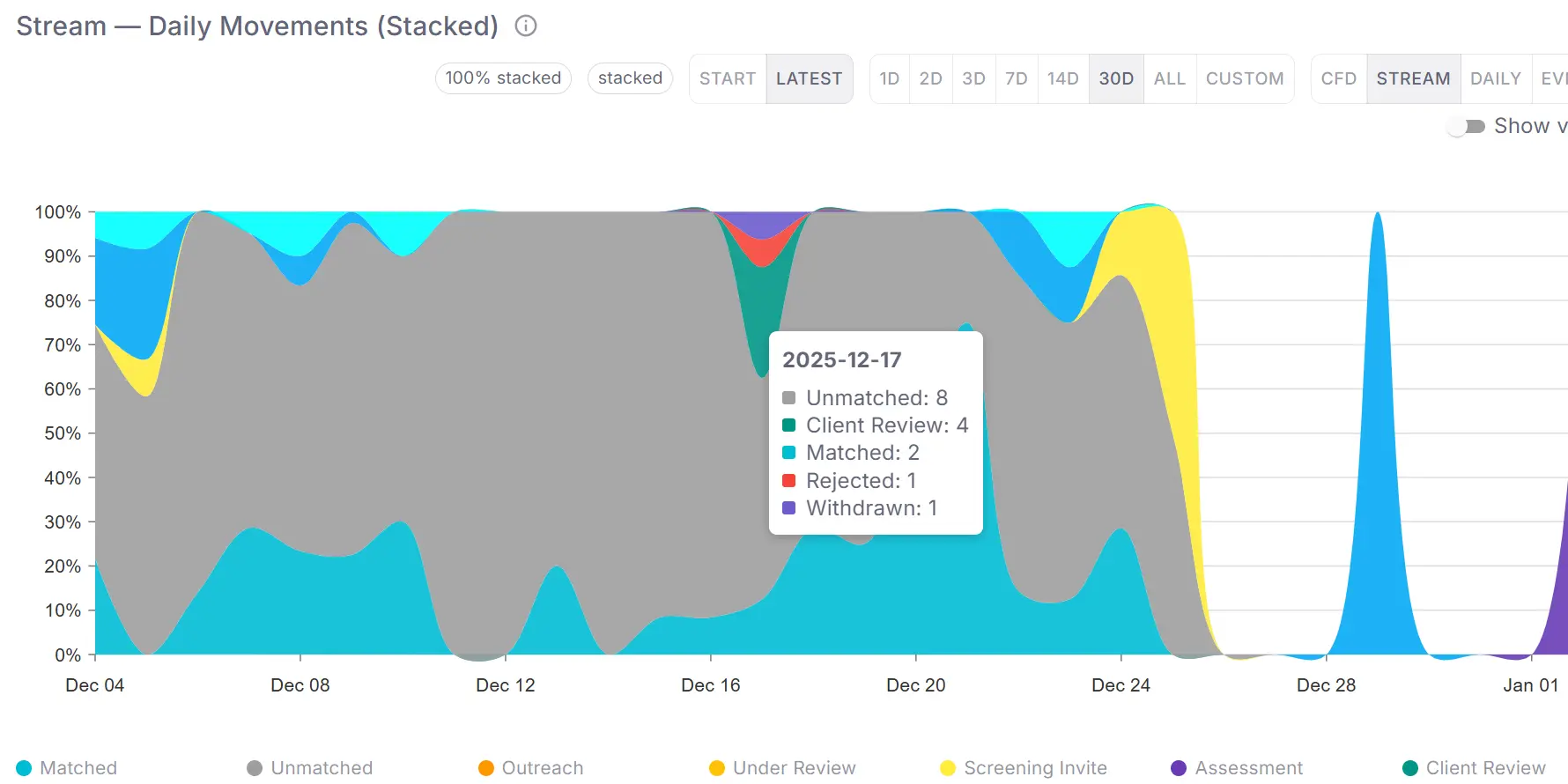
How a role performs over time

Understand how a role is performing

Seeing how applications arrive over time helps you decide whether to keep a role live, pause it, or shift effort elsewhere when slots are limited.

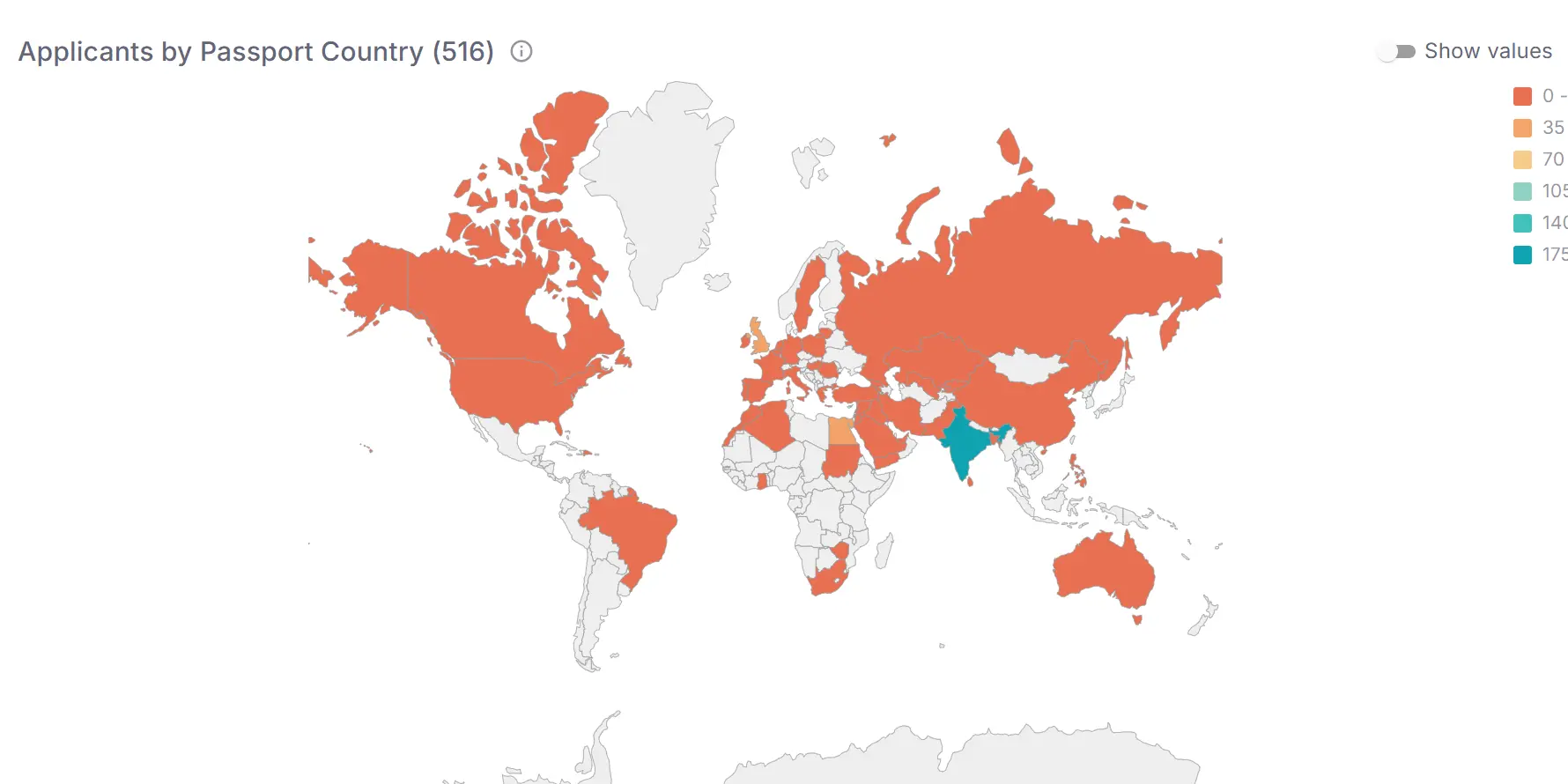
Where candidates are coming from

Know where your candidates come from

Understanding geographic spread helps you see diversity, identify strong regions, and focus outreach without widening workload.

For a recruiter these views can accelerate shortlisting, so you can move forward confidently without rereading CVs or restarting shortlists.

See it live

If this reflects how you see the challenges working as a recruiter, the best way to understand the transformation AI brings to our recruitment world is to see it in action.

When a technology platform is built by recruiters, for recruiters, the value it offers becomes clear in under 15 minutes.

Book a live walkthrough
byteSpark.ai

Get in touch

×
Please enable JavaScript in your browser to complete this form.
Name

Recruiter Support

×